
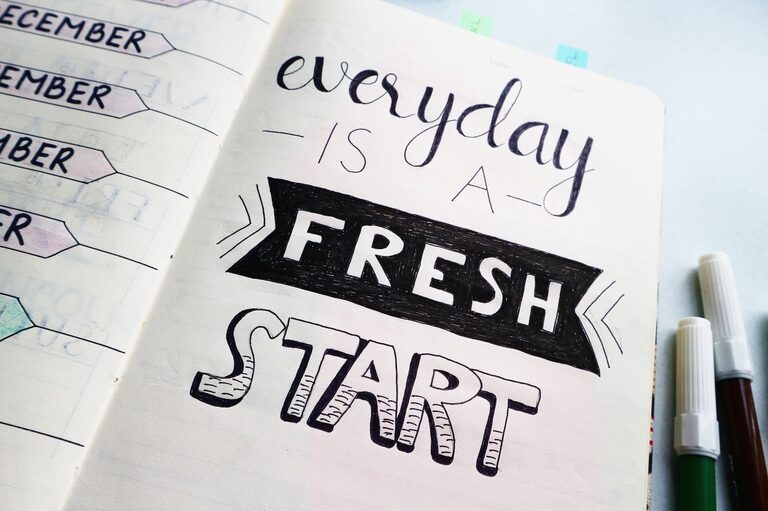
Creativity is often seen as a special talent reserved for artists, writers, or inventors. However, it’s a skill that anyone can nurture with regular practice. Whether you want to enhance your problem-solving skills, find fresh ideas, or simply add more joy to your daily routine, embracing creativity every day can make a big difference.
In this post, we’ll explore simple ways to practice creativity daily. These practical tips are easy to incorporate into your busy life, requiring just a little time and willingness to experiment.
Why Practice Creativity Every Day?
Creativity isn’t just about art or crafts. It helps you:
– Approach challenges with new perspectives
– Build confidence in your ideas
– Improve mental flexibility
– Reduce stress by engaging your mind playfully
– Add excitement to routine activities
By making creativity a habit, you can unlock potential in both your personal and professional life.
1. Keep a Creative Journal
One of the simplest ways to spark creativity is by writing or drawing regularly. A journal lets you capture thoughts, doodles, dreams, and ideas without judgment.
How to start:
– Pick a notebook or use an app on your phone
– Set aside 5-10 minutes daily to jot down thoughts or sketches
– Don’t worry about grammar or neatness; just express freely
– Record anything from an idea for a story to an interesting sight you noticed
Over time, your journal becomes a treasure trove of inspiration.
2. Change Your Environment
Your surroundings impact how you think. A change in scenery can stimulate new ideas.
Simple ways to change your environment:
– Work in a different room or a café
– Rearrange furniture or add plants to your workspace
– Take daily walks and notice details you usually miss
– Try working outside when weather permits
Even small changes can refresh your mind and encourage creative thinking.
3. Try a New Hobby or Skill
Exploring something unfamiliar can boost creativity by engaging different parts of your brain.
Ideas to consider:
– Learn to play a musical instrument
– Try cooking a cuisine you’ve never made before
– Experiment with photography or digital design
– Practice a craft like knitting, painting, or woodworking
Choose activities that interest you and allow space for mistakes. The goal is to enjoy exploring, not to become an expert overnight.
4. Use Prompts and Challenges
Sometimes creativity needs a nudge. Prompts and challenges provide structure while encouraging imagination.
Examples of prompts:
– Write a short story starting with a random sentence
– Draw an object from an unusual angle
– Brainstorm solutions to a common problem in your daily life
– Take a photo every day following a specific theme
There are many online resources and apps offering daily creative prompts. Try introducing one to your routine.
5. Limit Screen Time and Digital Distractions
While technology can inspire creativity, too much screen time often leads to passive consumption instead of active creation.
Tips to balance digital use:
– Set specific times for checking social media or news
– Use apps to track or limit your screen time
– Replace some digital leisure with creative offline activities like reading, writing, or crafting
Reducing distractions helps your mind wander and makes space for original ideas.
6. Collaborate and Share Ideas
Creativity thrives when you connect with others. Sharing ideas can spark new insights and motivate you to keep creating.
Ways to collaborate:
– Join a local or online creative group or workshop
– Discuss your projects with friends or colleagues
– Participate in brainstorming sessions
– Offer feedback on others’ work and invite theirs on yours
Engaging with a community provides support and inspiration.
7. Practice Mindfulness and Observation
Creativity often comes from noticing the world in new ways. Mindfulness helps you slow down and observe life more closely.
How to incorporate mindfulness:
– Spend a few minutes daily focusing on your breath or surroundings
– Observe details like colors, shapes, sounds, and textures
– Reflect on your feelings and thoughts without judgment
– Use these observations as starting points for creative work
By being present, you enhance your ability to generate original ideas.
8. Allow Time for Play and Experimentation
Creativity grows in an environment where it’s safe to try, fail, and try again.
Ways to play and experiment:
– Set aside time each week for “creative play” with no specific goals
– Use materials or tools in unconventional ways
– Take inspiration from mistakes and unexpected outcomes
– Keep a lighthearted attitude toward your work
This mindset encourages freedom and openness, essential for creative breakthroughs.
Conclusion
Practicing creativity every day doesn’t require grand gestures or hours of free time. With small, intentional habits like journaling, exploring new hobbies, and observing your environment, you can nurture your creative side steadily. Remember, creativity is a muscle—the more you use it, the stronger it becomes.
Start with one or two tips from this list and see how they fit into your routine. Over time, these simple practices can lead to exciting new ideas and greater satisfaction in your daily life.
Happy creating!